The Allure of Risk in Gambling
The psychology of casino gaming is deeply intertwined with the thrill of risk-taking. Many players are drawn to the uncertainty and excitement that accompanies gambling, especially when seeking out various options like casino sites. The potential for a big win creates a rush that can be quite intoxicating, leading individuals to place bets even when the odds may not be in their favor. This phenomenon can be attributed to the concept of « variable reinforcement, » where rewards are unpredictable, making the experience more tantalizing.
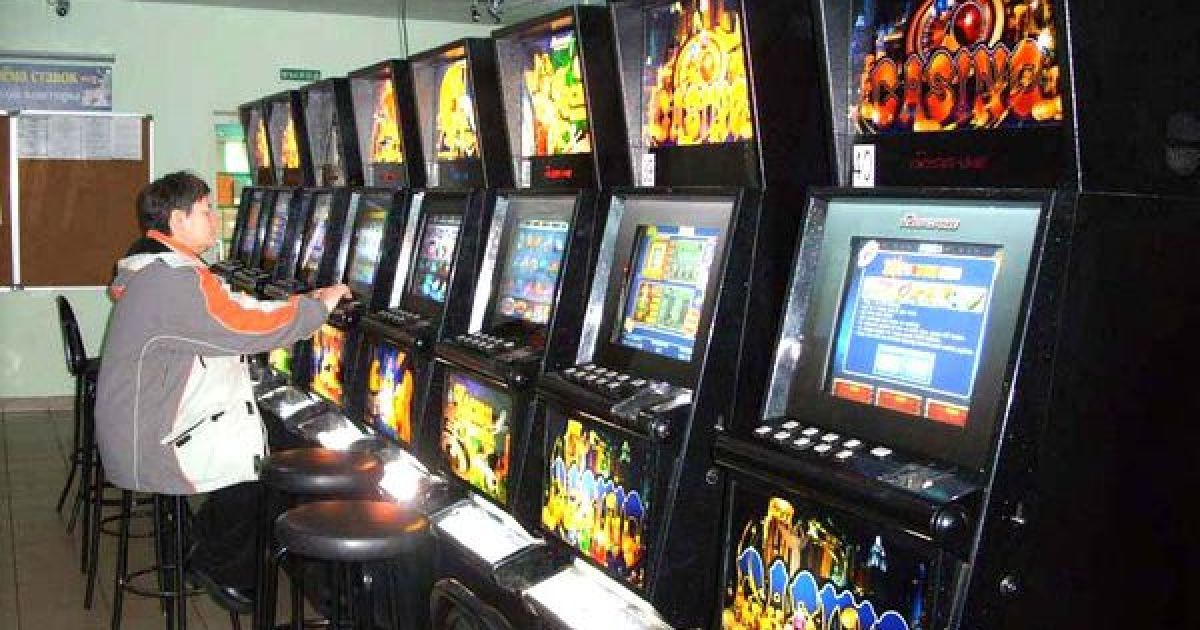
Furthermore, the environment of a casino amplifies these feelings. With flashing lights, engaging sounds, and the presence of other enthusiastic players, the atmosphere is designed to stimulate excitement and encourage risk-taking behavior. Gamblers often find themselves swept up in the collective energy, which can amplify their desire to take chances.
The Role of Emotions in Gambling Decisions
Emotions play a significant role in the choices that gamblers make. For many individuals, gambling is not merely a financial transaction; it is an emotional experience. Players may resort to gambling as a way to escape from stress, anxiety, or other negative emotions. This can lead to an increase in risk-taking when individuals are feeling vulnerable or overwhelmed. They may seek solace in the unpredictable nature of gambling, hoping that a big win will alleviate their emotional burdens.
Additionally, the sensation of winning can create a euphoric feeling that makes individuals more likely to engage in further risk-taking. The brain releases dopamine, a neurotransmitter associated with pleasure and reward, in response to wins, reinforcing the cycle of gambling. This creates a compelling incentive to continue playing, even in the face of potential losses.
Cognitive Biases and Misconceptions
Cognitive biases significantly affect a gambler’s perception of risk and reward. One common bias is the « illusion of control, » where players believe they can influence the outcome of games that are purely based on chance. This belief can lead to increased risk-taking, as players feel empowered to make decisions that may not actually alter their odds of winning.
Another prevalent misconception is the gambler’s fallacy, where individuals believe that past outcomes will influence future results. For instance, a player may think that a particular slot machine is « due » for a win after a series of losses. This flawed reasoning can lead to greater risk-taking, as players chase perceived opportunities based on erroneous beliefs.
The Social Aspect of Gambling
Social interactions also play a vital role in gambling behavior. Many individuals enjoy the camaraderie and socialization that comes with playing games in a casino setting. This social aspect can create a sense of belonging and community, encouraging players to take risks they might not consider when gambling alone. The shared experience of winning or losing can be exhilarating and often leads to a stronger willingness to gamble.
In addition, the presence of friends or fellow gamblers can act as a form of social validation, reinforcing the decision to take risks. Players may feel encouraged by their peers, leading to elevated stakes and more aggressive betting behavior. The interplay between social dynamics and individual psychology is a crucial element in understanding why people are driven to take risks in casino gaming.

Connecting with a Supportive Community
Understanding the psychology behind gambling can be beneficial for those who engage in gaming activities as well as their families. It’s essential to connect with resources that promote awareness and provide support for individuals affected by gambling behaviors. Sharing experiences and insights can help foster a better understanding of how risk-taking in casinos can impact both individuals and their loved ones.
This website serves as a platform for those interested in exploring these themes in greater depth. By providing valuable information and community engagement, it aims to support individuals affected by gambling and facilitate access to resources that promote both understanding and responsible gaming practices.